
Introduction to Turkish Ramadan Bread
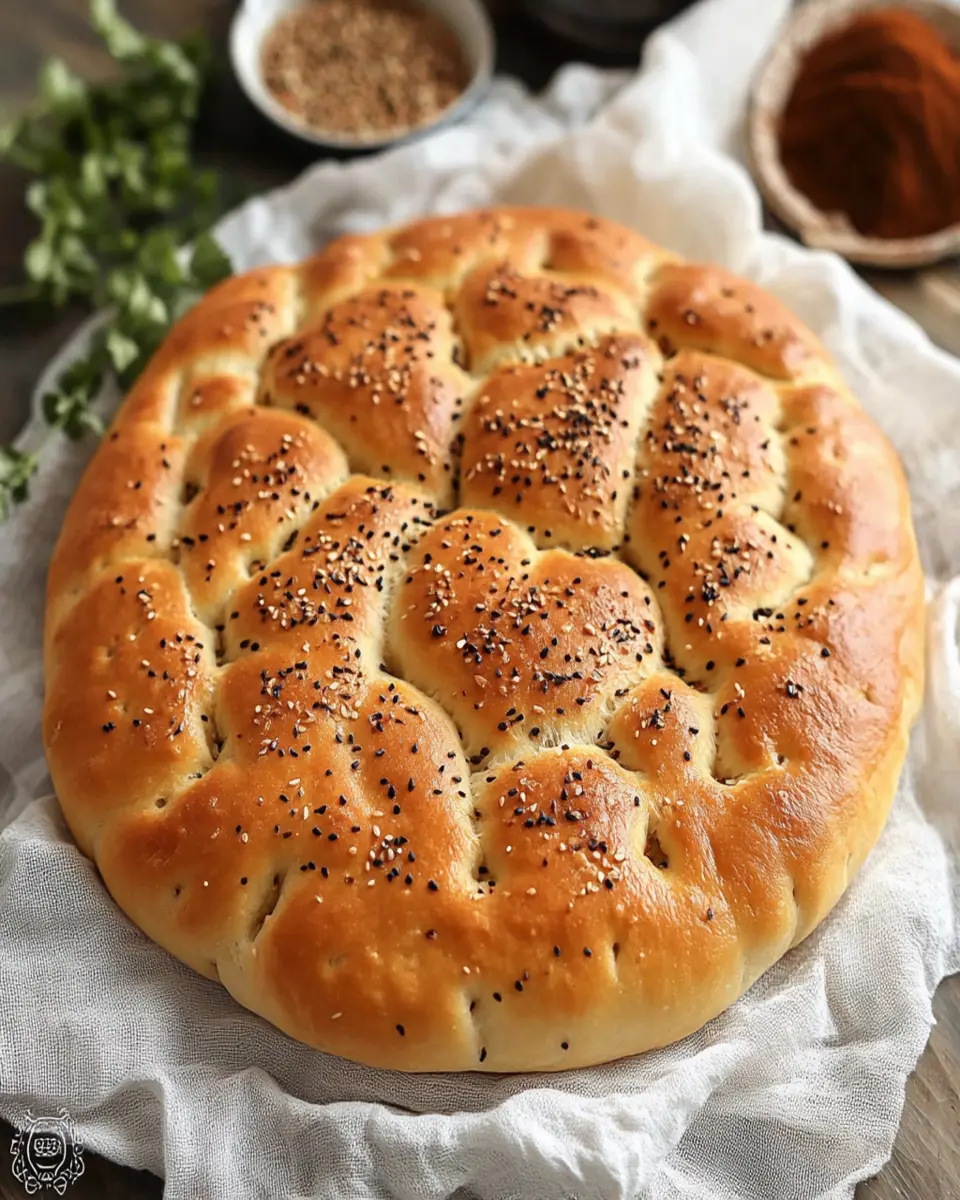
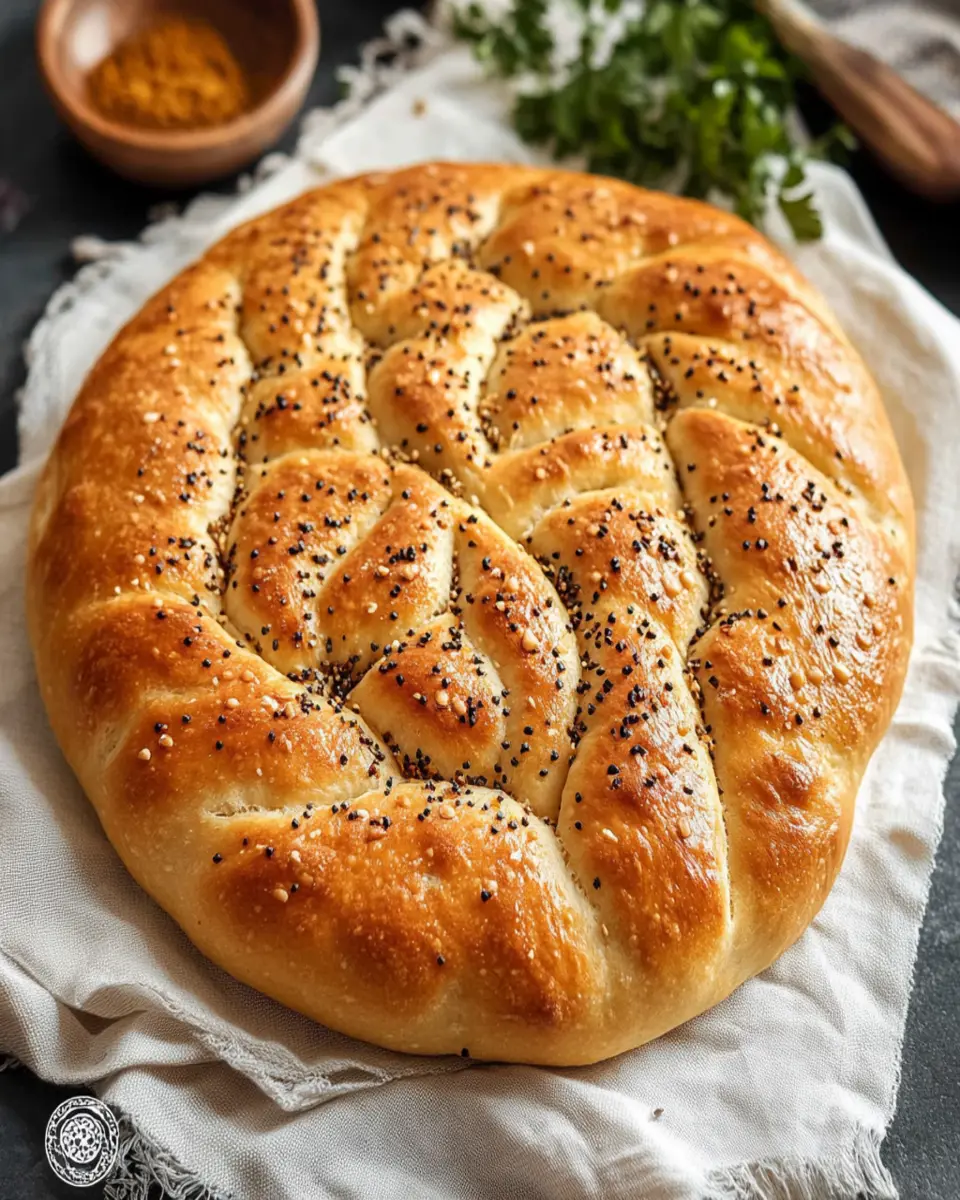
Turkish Ramadan Bread, known as Ramazan Pidesi, is a cherished staple during the holy month of Ramadan, celebrated for its soft, fluffy texture and delightful aroma. This traditional bread not only serves as a delicious accompaniment to meals but also symbolizes the spirit of sharing and community that is so integral to Ramadan. Imagine breaking your fast with a warm piece of this freshly baked bread, its golden crust glistening with sesame seeds, inviting you to take that first bite.

The process of making Ramazan Pidesi is as rewarding as the outcome. It begins with a simple dough that transforms into a beautiful flatbread through the power of yeast and a bit of kneading. The act of baking this bread brings families and friends together, creating a warm atmosphere filled with laughter and joy.
In this section, we’ll explore the ingredients that make up this delectable bread, along with a brief overview of its cultural significance. By the end, you’ll understand not just how to make Turkish Ramadan Bread, but also why it holds a special place in the hearts of many during Ramadan.
Whether you’re a young professional pressed for time or a homemade-food lover, this recipe is straightforward and rewarding. Get ready to impress your loved ones with this authentic taste of Turkey that will surely elevate your iftar table!
Key Ingredients
Turkish Ramadan Bread, or Ramazan Pidesi, is crafted from a few key ingredients that come together to create its signature flavor and texture. Here’s what you need to know about each of them:
All-Purpose Flour (4 cups)
All-purpose flour serves as the backbone of the dough, providing the necessary structure. It helps achieve that delightful fluffy texture that makes Ramazan Pidesi so special.
Sugar (1 tablespoon)
Sugar plays a crucial role in activating the yeast, promoting fermentation, and adding a hint of sweetness that balances the bread’s flavors. It enhances the browning of the crust as well.
Salt (1 tablespoon)
Salt not only enhances the overall flavor but also strengthens the gluten structure in the dough, contributing to the bread’s chewy texture.
Active Dry Yeast (1 packet)
The active dry yeast is essential for the bread to rise, creating those lovely air pockets that give Ramazan Pidesi its light and fluffy quality. It’s the magic ingredient that brings life to the dough.
Warm Water (1.5 cups)
Warm water helps dissolve the yeast and sugar to kickstart the fermentation process. It’s important not to use water that’s too hot, as it can kill the yeast.
Olive Oil (2 tablespoons)
Olive oil adds richness and moisture to the dough, contributing to a tender crumb. It also helps enhance the flavor, making each bite more enjoyable.
Sesame Seeds (for topping)
Sesame seeds add a delightful crunch and nutty flavor to the top of the bread, creating an appealing visual and textural contrast.
With these ingredients, you can create a traditional Turkish Ramadan Bread that’s perfect for sharing with loved ones during this special time.
Why You’ll Love This Recipe
Turkish Ramadan Bread, or Ramazan Pidesi, is not just a recipe; it’s a culinary experience that brings warmth and joy to your table. One of the standout features of this bread is its incredibly soft and fluffy texture, which makes it perfect for tearing and sharing with family and friends during Ramadan. The delightful aroma that fills your kitchen as it bakes is simply irresistible, creating a cozy atmosphere that invites everyone to gather around.
This recipe is easy to follow, making it ideal for young professionals and homemade-food lovers who may be short on time. With just a few simple ingredients, you can create a traditional bread that rivals those from local bakeries. Plus, the added sesame seeds on top not only enhance the flavor but also add a beautiful touch to your iftar spread.
What truly makes this recipe special is its versatility. While it’s a staple during Ramadan, you can enjoy this Turkish Ramadan Bread any time of the year—be it with soups, stews, or simply smeared with butter. Imagine pairing a warm piece of Ramazan Pidesi with your favorite dip or topping it with fresh ingredients. It’s a delightful way to elevate your meals and share the love of homemade cooking with those around you. So, roll up your sleeves and get ready to bake this delicious bread that will surely become a favorite in your household!
Variations of Turkish Ramadan Bread
Turkish Ramadan Bread, or Ramazan Pidesi, can be enjoyed in various delightful ways, making it a versatile addition to your table during Ramadan and beyond. One popular variation is the addition of yogurt to the dough, which creates an even softer texture and a slightly tangy flavor. This little twist not only enhances taste but also adds moisture, making the bread even more irresistible.
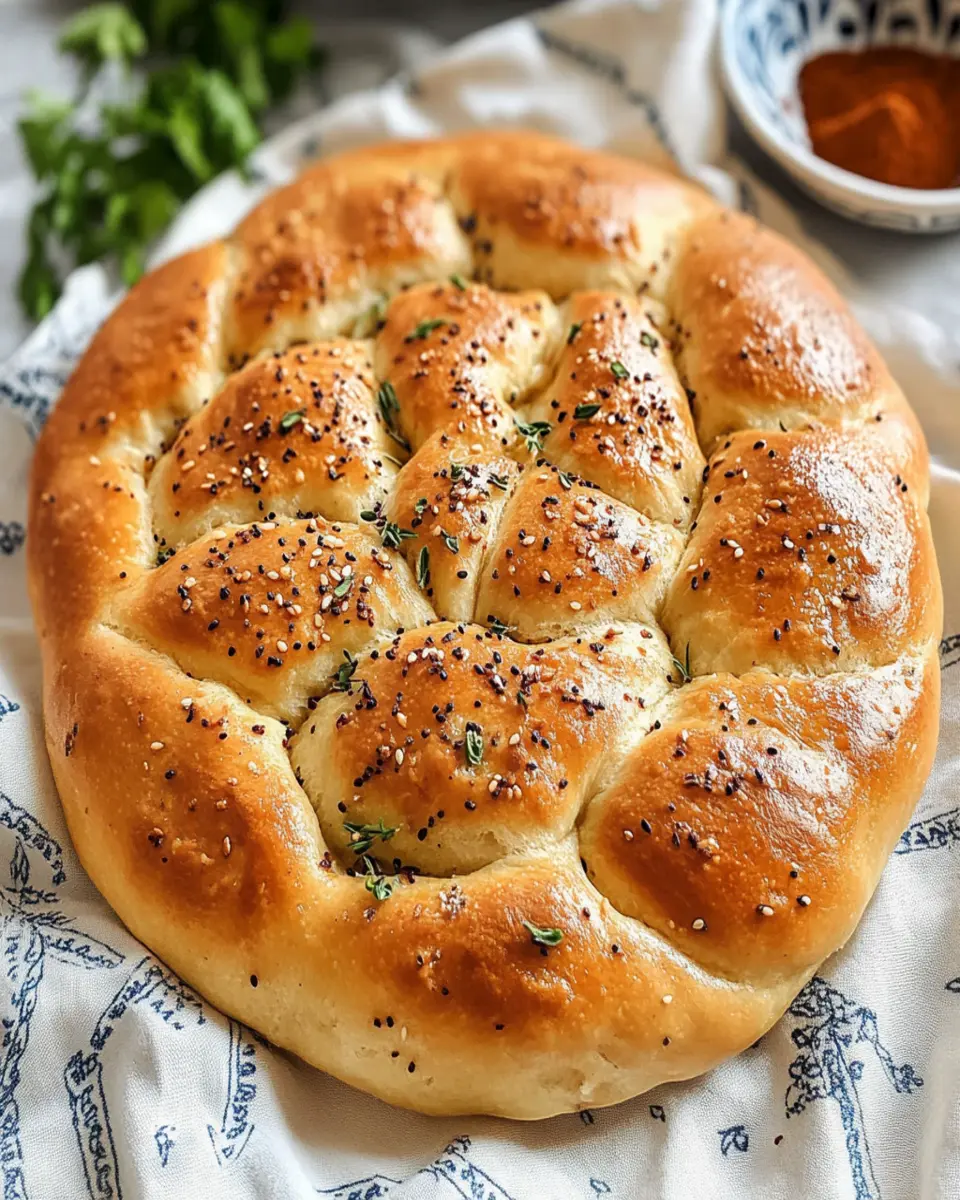
Another interesting variation is to incorporate herbs and spices into the dough. Imagine infusing your bread with za’atar or a sprinkle of cumin for a unique twist that complements Middle Eastern dishes beautifully. You can also experiment with toppings beyond sesame seeds, such as nigella seeds or finely chopped fresh herbs, to elevate the flavor profile.
For those looking to make a heartier version, you could add fillings such as cheese or spinach before shaping the dough into flatbreads. This transforms your Ramazan Pidesi into a delicious stuffed bread that can serve as a meal on its own. With these variations, you can customize your Turkish Ramadan Bread to suit your palate and impress your guests with something new and exciting at your iftar gatherings!
Cooking Tips and Notes
When preparing Turkish Ramadan Bread, or Ramazan Pidesi, a few cooking tips can elevate your baking experience. First, ensure that your warm water is at the right temperature—about 110°F (43°C)—to activate the yeast without killing it. This step is crucial for achieving that signature fluffy texture.
Another tip is to knead the dough thoroughly for about 10 minutes. This develops the gluten and creates a strong structure, which is key for a light and airy bread. If your dough feels too sticky, sprinkle a little extra flour to make it manageable, but be cautious not to add too much, as it can affect the final texture.
For a more flavorful result, consider adding a tablespoon of yogurt to the dough. This not only enhances the taste but also adds moisture, making your Ramazan Pidesi even softer. Once baked, the bread is best enjoyed fresh but can be stored in an airtight container for up to two days. Just reheat it briefly in the oven to restore its warmth and texture before serving.
Finally, don’t hesitate to experiment with toppings! While sesame seeds are traditional, you can also try a sprinkle of za’atar or poppy seeds for a unique twist. These small adjustments can make a big difference in flavor and presentation, making your iftar gatherings even more special.
Serving Suggestions
Turkish Ramadan Bread, or Ramazan Pidesi, is a versatile flatbread that pairs wonderfully with various dishes, making it a staple during Ramadan and beyond. For a classic experience, serve warm pieces alongside a hearty lentil soup or a traditional Turkish kebab. The fluffy texture of the bread is perfect for scooping up rich stews or dipping into flavorful sauces.
If you’re looking to create a more casual gathering, consider serving Ramazan Pidesi with a selection of mezze. Think of spreads like hummus, baba ghanoush, or tzatziki, which beautifully complement the bread’s mild flavor. You can also top the bread with fresh ingredients, such as grilled vegetables or feta cheese, for a light yet satisfying meal.
For a unique twist, try using Ramazan Pidesi as a base for an open-faced sandwich. Layer it with fresh tomatoes, cucumbers, olives, and a drizzle of olive oil for a refreshing dish. The possibilities are endless, and each suggestion invites creativity while celebrating this beloved Turkish bread.
Time Breakdown
When making Turkish Ramadan Bread (Ramazan Pidesi), it’s essential to manage your time efficiently to enjoy this delicious bread without stress.
Preparation
Prepare the ingredients and mix the dough in about 15 minutes. This initial step sets the foundation for your bread-making journey.
Cooking/Baking
The baking process takes approximately 20 minutes, during which your kitchen will fill with the delightful aroma of freshly baked bread.
Total
From start to finish, including the dough rising time, expect to spend about 1 hour and 35 minutes to create 4 beautiful pieces of Ramazan Pidesi.
For efficiency, consider prepping the dough during a quiet moment and letting it rise while you handle other tasks, maximizing your time in the kitchen!
Nutritional Facts
Turkish Ramadan Bread (Ramazan Pidesi) is not only delicious but also provides a balanced option for your meals. Each piece contains approximately 250 calories, making it a satisfying addition to your iftar table without being overly heavy. The bread is low in sugar, with only 1g, and offers a modest amount of protein at 8g, which helps keep you feeling full.
In terms of dietary composition, this bread has 6g of total fat, including healthy unsaturated fats from olive oil. It also provides 42g of carbohydrates, with 2g of fiber to aid digestion. This makes Ramazan Pidesi a great choice for those seeking a vegetarian option that complements a variety of dishes while keeping nutritional value in mind.
FAQ based on “People Also Ask” Section
What is Turkish Ramadan Bread (Ramazan Pidesi)?
Turkish Ramadan Bread, known as Ramazan Pidesi, is a traditional flatbread served primarily during the holy month of Ramadan. It features a soft and fluffy texture, often topped with sesame seeds, making it a delightful accompaniment to iftar meals.
How do you make Ramazan Pidesi?
To make Ramazan Pidesi, you start by dissolving yeast and sugar in warm water, then mix this with flour, salt, and olive oil to form a dough. After kneading and letting it rise, shape the dough into flatbreads, sprinkle with sesame seeds, and bake until golden brown.
Can I store leftover Ramazan Pidesi?
Yes, leftover Ramazan Pidesi can be stored in an airtight container for up to two days. To enjoy its freshness, simply reheat it in the oven before serving.
How do variations of Ramazan Pidesi differ?
Variations of Ramazan Pidesi can include different toppings or ingredients mixed into the dough, such as yogurt for added flavor and moisture. Some people enjoy adding herbs or cheese to create unique twists on this classic bread.
Conclusion
Turkish Ramadan Bread, or Ramazan Pidesi, is more than just a delicious addition to your meals; it embodies the spirit of community and sharing during Ramadan. Its soft, fluffy texture and sesame seed topping make it a perfect companion for a variety of dishes, from hearty soups to grilled meats.
Making this traditional bread is a rewarding experience that can bring families and friends together in the kitchen. Whether you enjoy it fresh out of the oven or as part of a larger feast, Ramazan Pidesi is sure to delight your taste buds.
As you gather with loved ones this Ramadan, consider baking this bread to enhance your iftar celebrations. This simple yet flavorful recipe is a wonderful way to create lasting memories while sharing a piece of Turkish culture. So roll up your sleeves, get baking, and enjoy the warmth and joy that comes with sharing your homemade Ramazan Pidesi!
Print
Turkish Ramadan Bread (Ramazan Pidesi)
- Total Time: 1 hour 35 minutes
- Yield: 4 breads 1x
- Diet: Vegetarian
Description
A traditional Turkish bread served during Ramadan, featuring a soft and fluffy texture, often topped with sesame seeds.
Ingredients
- 4 cups all-purpose flour
- 1 tablespoon sugar
- 1 tablespoon salt
- 1 packet active dry yeast
- 1.5 cups warm water
- 2 tablespoons olive oil
- sesame seeds (for topping)
Instructions
- In a bowl, dissolve the yeast and sugar in warm water and let it sit for 10 minutes.
- In a large mixing bowl, combine flour and salt, then mix in the yeast mixture and olive oil.
- Knead the dough for about 10 minutes until smooth and elastic.
- Cover the dough and let it rise in a warm place for about 1 hour or until it doubles in size.
- Preheat the oven to 450°F (230°C).
- Punch down the dough and divide it into equal portions. Shape each portion into a round flatbread.
- Place the flatbreads on a baking sheet lined with parchment paper.
- Brush the tops with water and sprinkle sesame seeds.
- Bake in the preheated oven for 15-20 minutes or until golden brown.
Notes
- For an extra flavor, you can incorporate some yogurt into the dough.
- Store leftovers in an airtight container for up to 2 days.
- Prep Time: 15 minutes
- Cook Time: 20 minutes
- Category: Bread
- Method: Baking
- Cuisine: Turkish
Nutrition
- Serving Size: 1 piece
- Calories: 250
- Sugar: 1g
- Sodium: 500mg
- Fat: 6g
- Saturated Fat: 1g
- Unsaturated Fat: 5g
- Trans Fat: 0g
- Carbohydrates: 42g
- Fiber: 2g
- Protein: 8g
- Cholesterol: 0mg