
Introduction to Ciabatta Bread
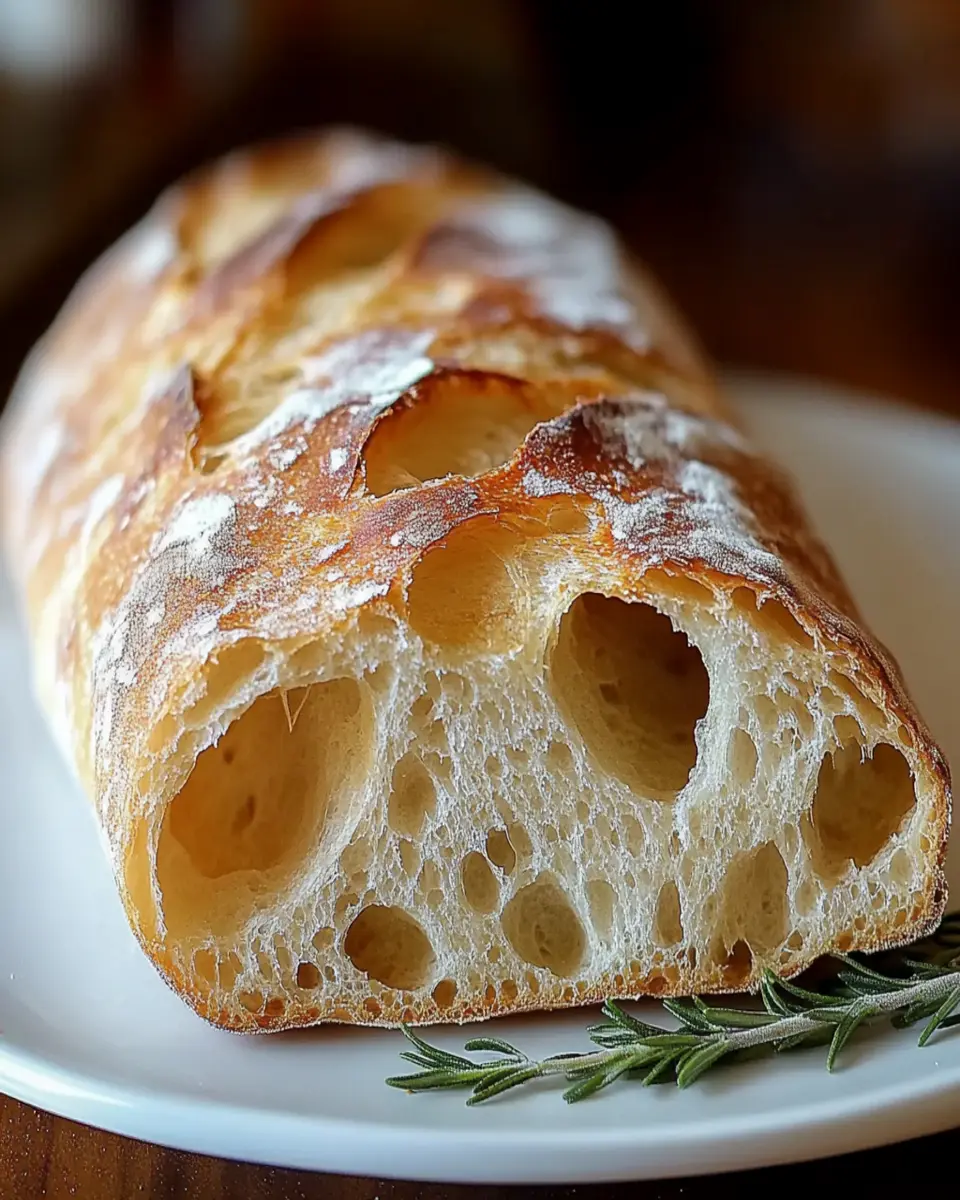
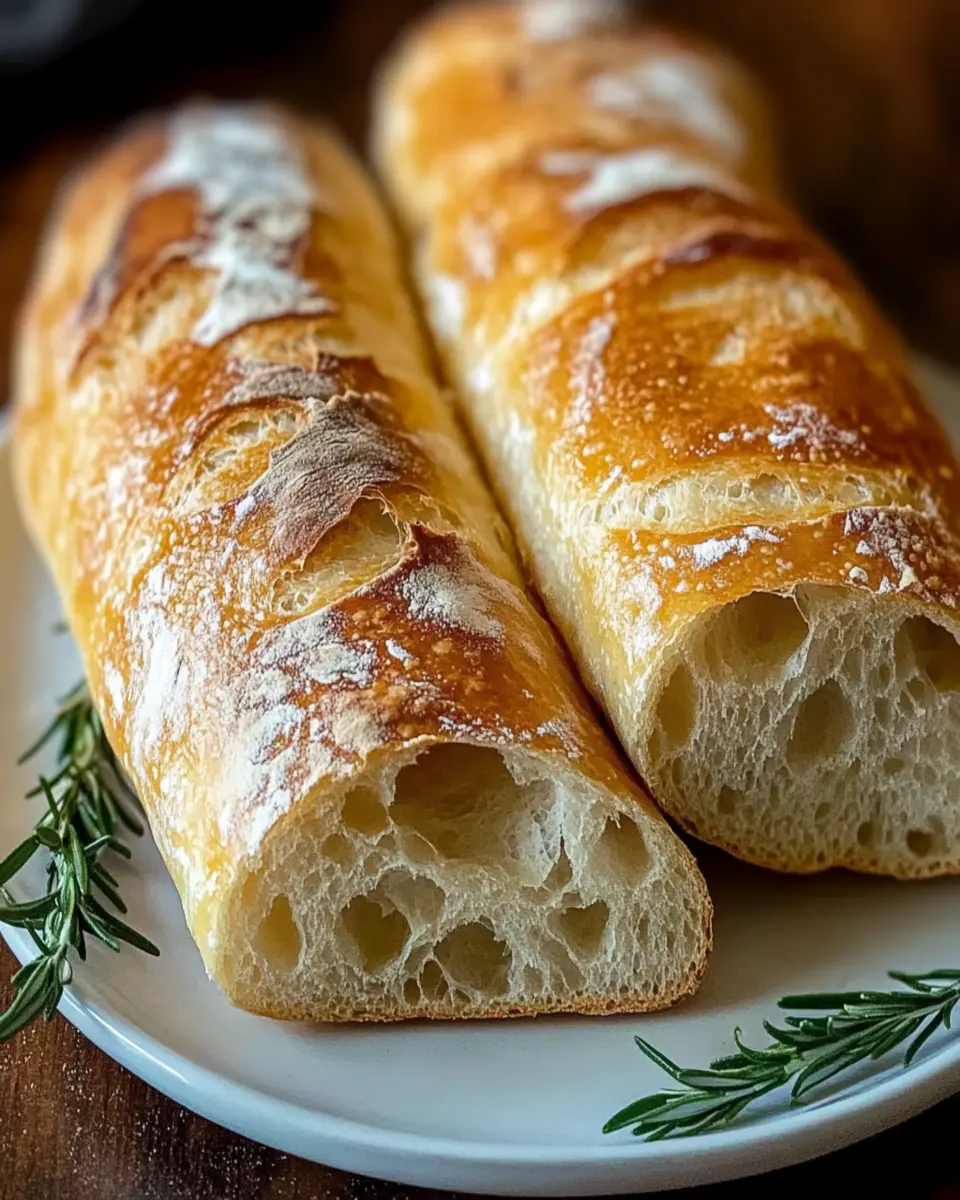
Ciabatta bread, a classic Italian staple, has become a favorite among homemade-food lovers for its unique texture and delightful crust. This rustic bread, characterized by its airy interior and crispy exterior, is perfect for sandwiches or enjoyed fresh with olive oil. The process of making ciabatta is as rewarding as the bread itself, allowing even time-pressed young professionals to embrace the joy of baking.
The Allure of Ciabatta
What makes ciabatta so special? Its charm lies in the combination of simple ingredients and a long fermentation process that develops its flavor. The use of high-quality all-purpose flour contributes to its chewy texture, while the extended rise time allows for a complex taste that is hard to resist. As you embark on this baking journey, you’ll discover the satisfaction that comes from crafting something truly authentic.
Embracing the Process
Baking ciabatta may seem daunting, but the beauty of this recipe is in its simplicity. With just four key ingredients—flour, yeast, salt, and water—you can create a loaf that rivals those found in Italian bakeries. The long rise time, typically between 12 to 18 hours, not only enhances the flavor but also allows you to fit this baking endeavor into your busy schedule. Imagine waking up to the smell of freshly baked bread, ready to be sliced and savored.
In summary, ciabatta bread is more than just a recipe; it’s an experience that invites you to connect with the art of baking. So, roll up your sleeves and prepare to make this delightful bread that will surely impress your friends and family.
Key Ingredients of Ciabatta Bread
Ciabatta bread is crafted from a few simple yet essential ingredients that come together to create its signature texture and flavor. Each component plays a vital role in achieving that beloved crusty exterior and airy interior.
All-Purpose Flour (4 cups)
All-purpose flour is the backbone of ciabatta. It provides the necessary structure and chewiness, allowing the bread to rise beautifully while maintaining its distinctive airy texture. The quality of the flour can significantly impact the final loaf, so opting for a high-protein variety is recommended for the best results.
Instant Yeast (1 teaspoon)
Instant yeast is a fast-acting leavening agent that helps the dough rise quickly. Its convenience means you can mix it directly with the dry ingredients without needing to activate it first. This feature is particularly appealing for busy home bakers who want to streamline the process.
Salt (1 teaspoon)
Salt is essential for flavor and helps strengthen the gluten structure in the dough. It enhances the overall taste of the bread, ensuring that every bite is well-seasoned. Additionally, salt plays a crucial role in controlling yeast activity, preventing the dough from rising too quickly.
Water (1.5 cups)
Water is the final key ingredient, bringing the flour, yeast, and salt together to form a cohesive dough. The hydration level in ciabatta is relatively high, which contributes to its open crumb structure. Using room temperature water allows for optimal fermentation, resulting in a flavorful and airy loaf.
In summary, the key ingredients of ciabatta bread—high-quality flour, instant yeast, salt, and water—work in harmony to create a loaf that is both delicious and satisfying. Understanding these components is the first step toward mastering this beloved Italian bread.

Why You’ll Love This Recipe
Ciabatta bread is not just a recipe; it’s an experience that brings the warmth of Italian baking into your home. This delightful bread is known for its airy texture and crispy crust, making it the perfect companion for various meals or simply enjoyed with olive oil. Its simplicity allows even the busiest young professionals to find joy in the process of making homemade bread.
A Flavorful Journey
What sets this ciabatta bread apart is its long fermentation time, which develops a rich flavor and delightful chewiness. The combination of just four essential ingredients—flour, yeast, salt, and water—means you can prepare this loaf without any fuss. Imagine waking up to the aroma of freshly baked bread, filling your kitchen with warmth and comfort.
Perfect for Any Occasion
Whether you’re hosting a dinner party, enjoying a casual lunch, or simply treating yourself to a cozy night in, ciabatta bread elevates any occasion. Its crusty exterior and soft, airy interior make it ideal for sandwiches or as a side to your favorite soup. Plus, it’s a fun culinary project that you can share with friends and family, making memories as you bake together.
In summary, this ciabatta bread recipe is a delightful way to bring a taste of Italy into your kitchen while enjoying the satisfaction of homemade goodness.
Variations of Ciabatta Bread
Ciabatta bread is a wonderfully versatile canvas, allowing for numerous variations that cater to different tastes and preferences. Whether you want to add flavors or change the texture, there are plenty of ways to customize this classic Italian loaf.
Herbed Ciabatta
One popular variation is herbed ciabatta, where fresh or dried herbs like rosemary, thyme, or basil are mixed into the dough. These herbs not only enhance the aroma but also add a delightful flavor that complements the bread’s natural taste. Imagine serving slices of herbed ciabatta alongside a hearty soup or as a base for a flavorful sandwich.
Olive and Sun-Dried Tomato Ciabatta
Another fantastic option is to incorporate olives or sun-dried tomatoes into the dough. Chopped kalamata olives can provide a salty, briny kick, while sun-dried tomatoes add a sweet and tangy element. This variation is perfect for Mediterranean-inspired meals, giving your bread an extra layer of flavor that is sure to impress.
Cheese-Stuffed Ciabatta
If you’re a cheese lover, consider making a cheese-stuffed ciabatta. You can fold in your favorite cheese—such as mozzarella or feta—before shaping the dough. As it bakes, the cheese melts and creates a gooey, delicious center, making each slice a delightful surprise. This variation is perfect for gatherings or as a special treat for yourself.
In summary, ciabatta bread can be easily adapted to suit your culinary creativity. Whether you choose to add herbs, olives, or cheese, these variations will make your homemade ciabatta a memorable experience.
Cooking Tips and Notes
Baking ciabatta bread can be a rewarding experience, and a few tips can help you achieve the best results. This classic Italian bread is known for its airy texture and crispy crust, so a few adjustments can make a significant difference in your final product.
Perfecting Your Dough
When mixing your ingredients, aim for a shaggy but cohesive dough. It should be slightly sticky, which is essential for that open crumb structure characteristic of ciabatta. Don’t be afraid to flour your hands and the work surface as needed to prevent sticking during shaping.
The Importance of Rising Time
Allow your dough to rise for at least 12 to 18 hours at room temperature. This long fermentation process is crucial as it develops the flavor and texture of the bread. If you have the time, letting it rise longer can enhance the depth of flavor even more.
Baking for the Best Crust
For a crust that’s perfectly crispy, consider placing a pan of water in the oven while baking. This creates steam, which helps the crust to develop a beautiful golden-brown color. Keep an eye on the bread as it bakes; it usually takes about 25 to 30 minutes to reach that perfect doneness.
In summary, following these tips will help you create a delicious ciabatta bread that impresses with its texture and taste. Happy baking!
Serving Suggestions
Ciabatta bread is not only delicious on its own but also incredibly versatile, making it a perfect accompaniment to various dishes. Its airy texture and crispy crust can elevate any meal, turning simple ingredients into something special.
Sandwich Delight
One of the best ways to enjoy ciabatta is by using it as the base for sandwiches. Its sturdy structure holds up well against hearty fillings like roasted vegetables, grilled chicken, or classic Italian meats. Imagine a ciabatta sandwich layered with fresh mozzarella, ripe tomatoes, and basil—simple yet bursting with flavor.
Dipping Companion
Ciabatta also shines as a dipping bread. Serve warm slices alongside a bowl of olive oil infused with herbs and spices or a rich balsamic vinegar for an appetizer that will impress your guests. The bread’s porous texture absorbs the dips, creating a delightful tasting experience.
Perfect Pairing with Soups and Salads
Another great way to enjoy ciabatta is by serving it with soups and salads. A warm bowl of minestrone or a refreshing garden salad becomes even more satisfying with a slice of freshly baked ciabatta for dipping or as a side. Its mild flavor complements a wide range of dishes, making it a staple at any meal.
In summary, ciabatta bread is an adaptable addition to your kitchen, whether for sandwiches, dips, or as a side dish. Embrace its versatility and enjoy the delicious possibilities!
Time Breakdown for Making Ciabatta
Making ciabatta bread may seem like a lengthy process, but with proper planning, it can fit seamlessly into your schedule. Here’s a quick breakdown of the time involved, ensuring you can enjoy this delightful bread without feeling rushed.
Preparation
The preparation time for ciabatta is about 15 minutes. This includes gathering your ingredients and mixing them to form a shaggy dough. It’s the perfect time to reflect on the delicious loaf you are about to create!
Cooking/Baking
Once your dough has risen for 12 to 18 hours, baking it takes approximately 30 minutes. Preheating your oven to 450°F (232°C) ensures that you achieve a lovely, crispy crust during the baking process.
Total
Overall, you’re looking at a total time of about 12 hours and 45 minutes from start to finish. While it may require patience, the result—a fragrant, airy ciabatta bread—is well worth the wait. Consider making this bread overnight so it’s ready to enjoy the next day!
Nutritional Facts
Ciabatta bread is not only delicious but also provides a satisfying nutritional profile. Each slice contains approximately 200 calories, making it a great addition to your meals without overwhelming your daily intake. With 7 grams of protein and just 1 gram of total fat, this bread is a wholesome option for young professionals looking for a tasty yet nutritious choice.
In terms of carbohydrates, ciabatta offers 40 grams per slice, including 2 grams of dietary fiber. This balanced combination provides energy while supporting digestive health. Plus, with minimal sodium (just 5 mg) and no cholesterol, ciabatta bread fits well into various dietary preferences, including vegetarian diets.
FAQ based on “People Also Ask” section
What makes ciabatta bread different from other breads?
Ciabatta bread is known for its unique texture, which features a crispy crust and an airy, open crumb structure. This distinctiveness comes from its high hydration levels and long fermentation process, setting it apart from denser bread varieties.
How long does ciabatta bread last?
When stored properly in a cool, dry place, ciabatta bread can last for 2 to 3 days. For longer storage, consider freezing it, which can help maintain its freshness for up to three months. Just remember to wrap it tightly to prevent freezer burn.
Can I make ciabatta bread without a stand mixer?
Absolutely! While a stand mixer can make the process easier, you can easily mix and knead ciabatta dough by hand. Just be prepared for a bit of a workout, as the dough will be sticky and require some effort to develop the gluten.
How can I enhance the flavor of my ciabatta bread?
For a more complex flavor, consider adding herbs, garlic, or even olives to your dough. Additionally, allowing the dough to rise longer can also contribute to a richer taste. The beauty of ciabatta bread lies in its versatility, so feel free to experiment with different ingredients!
Conclusion on Baking Ciabatta Bread
Baking ciabatta bread offers a delightful journey into the world of homemade goodness. This classic Italian bread, with its airy texture and crispy crust, is a testament to the beauty of simple ingredients combined with patience. As you follow the steps outlined, from mixing to baking, you’ll find that the process is as rewarding as the final product.
Not only does ciabatta elevate any meal, but it also invites creativity in serving. Whether paired with soups, transformed into sandwiches, or enjoyed fresh, the versatility of ciabatta is unmatched. So, gather your ingredients, embrace the art of slow fermentation, and treat yourself to this delightful loaf. Happy baking!
Print
Ciabatta Bread
- Total Time: 12 hours 45 minutes
- Yield: 1 loaf 1x
- Diet: Vegetarian
Description
A classic Italian bread known for its airy texture and crispy crust.
Ingredients
- 4 cups all-purpose flour
- 1 teaspoon instant yeast
- 1 teaspoon salt
- 1.5 cups water
Instructions
- In a large bowl, combine flour, yeast, and salt.
- Add water and mix until a shaggy dough forms.
- Cover and let rise for 12 to 18 hours at room temperature.
- Preheat the oven to 450°F (232°C).
- Shape the dough gently and place it on a floured surface.
- Transfer it to a parchment-lined baking sheet.
- Bake for 25 to 30 minutes until golden brown.
- Cool on a wire rack before slicing.
Notes
- For a better crust, place a pan with water in the oven while baking.
- Let the dough rise longer for a more developed flavor.
Nutrition
- Serving Size: 1 slice
- Calories: 200
- Sugar: 0g
- Sodium: 5mg
- Fat: 1g
- Saturated Fat: 0g
- Unsaturated Fat: 0g
- Trans Fat: 0g
- Carbohydrates: 40g
- Fiber: 2g
- Protein: 7g
- Cholesterol: 0mg