
Introduction
Welcome to the world of Easy Vegan Bibimbap, a delightful Korean bowl that brings a burst of flavors to your table. This vibrant dish is not only visually appealing but also packed with nutritious ingredients, making it a perfect choice for young professionals who love homemade meals but are often pressed for time.
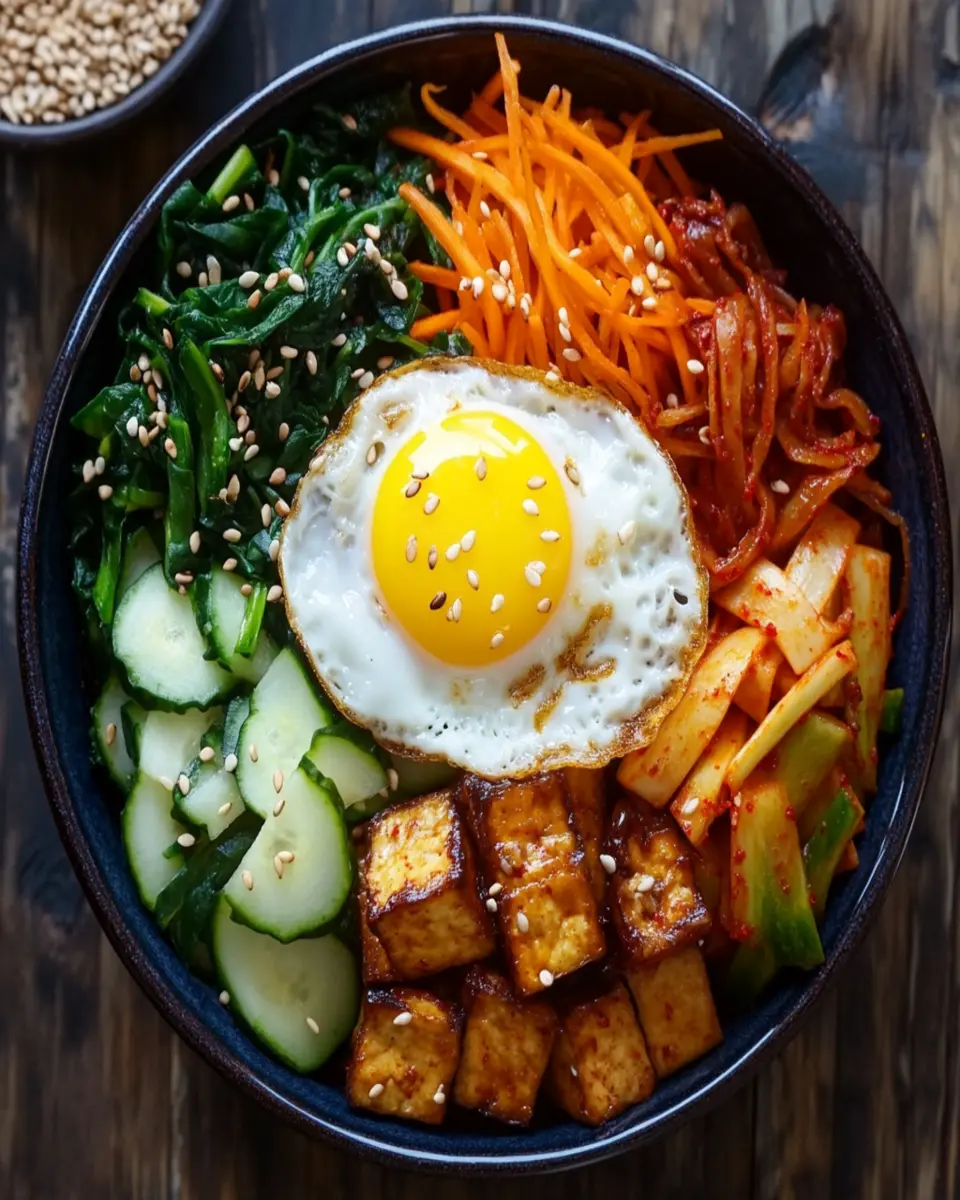
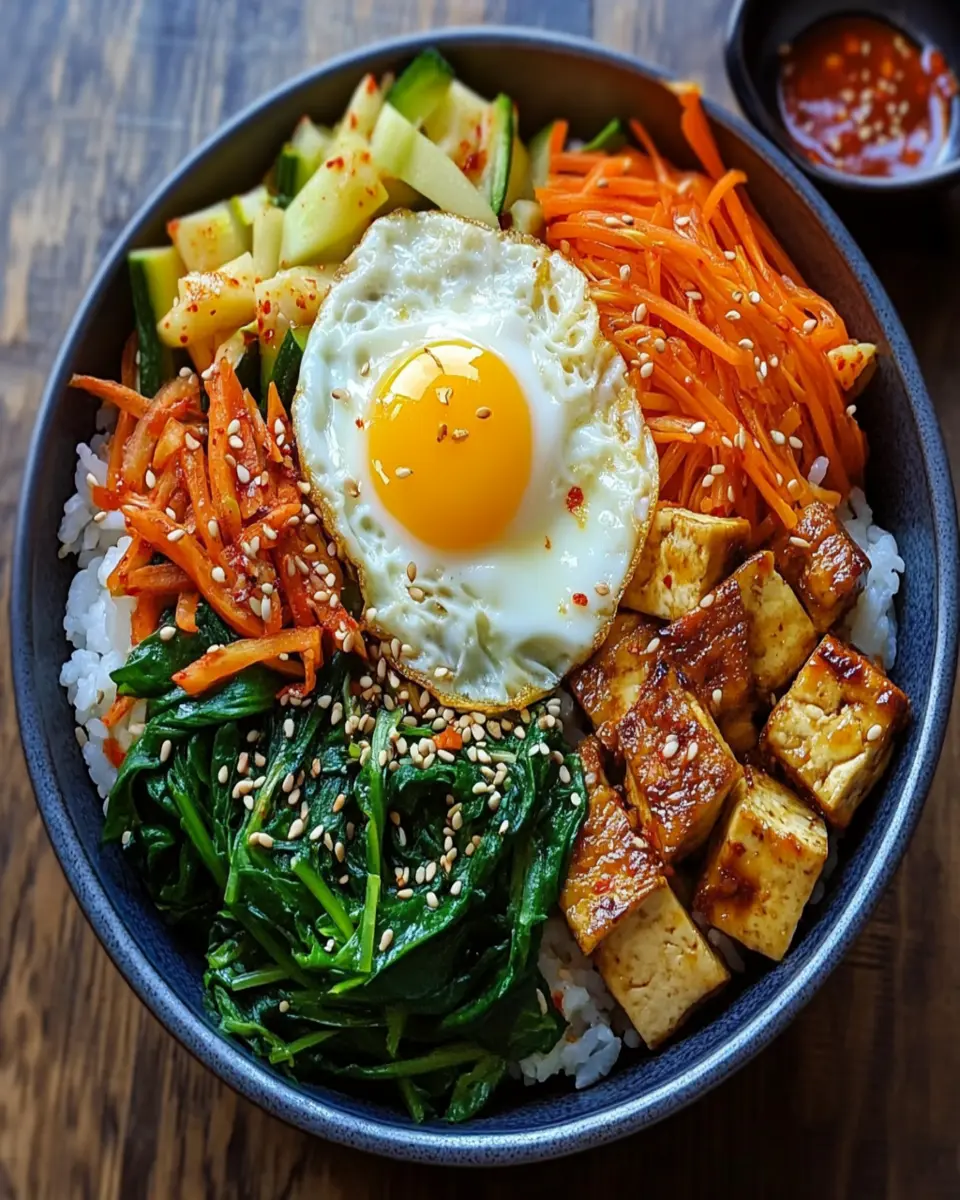
Bibimbap, which translates to ‘mixed rice,’ is a beloved Korean dish that allows for endless customization. In this recipe, we focus on using colorful vegetables, which not only enhance the dish’s aesthetic but also provide a variety of nutrients. Imagine a bowl filled with sautéed spinach, julienned carrots, crunchy cucumbers, and creamy avocado, all resting on a bed of fragrant rice. Each bite is a wonderful mix of textures and flavors, complemented by a savory sauce that ties everything together.
Whether you’re looking to impress your friends at a dinner party or simply want to enjoy a comforting meal at home, this Easy Vegan Bibimbap Recipe is sure to satisfy your cravings. With minimal prep time and straightforward instructions, you can whip up this dish quickly, making it an ideal option for busy weeknights. So, let’s dive into the ingredients and instructions to create your own delicious Korean bowl!
Key Ingredients
Creating the perfect Easy Vegan Bibimbap starts with selecting fresh, high-quality ingredients that contribute to both the flavor and nutritional value of this beloved Korean dish. Here’s a closer look at the key ingredients that make this recipe shine:
Cooked Rice
Cooked rice serves as the hearty base of the bibimbap, providing a satisfying texture and neutral flavor that balances the vibrant toppings. Use short-grain rice for authenticity, as it holds together well and absorbs the flavors of the dish.
Spinach (1 cup)
Sautéed spinach adds a nutritious green component, rich in vitamins A and C, while its tender texture complements the other ingredients. This leafy vegetable is essential for bringing a fresh taste to your bibimbap.
Carrots (1 cup)
Julienned carrots bring a lovely crunch and a hint of sweetness to the bowl. They are not only visually appealing but also pack a nutritional punch with their high beta-carotene content, promoting eye health and overall well-being.
Cucumber (1 cup)
Sliced cucumber adds a refreshing, crisp element to the dish, balancing the warmth of the sautéed vegetables. This hydrating ingredient ensures that each bite is light and invigorating, making it a perfect addition.
Bean Sprouts (1 cup)
Blanched bean sprouts provide a delightful crunch and a source of plant-based protein. They are low in calories but high in nutrients, making them an ideal choice for a healthy meal.
Shiitake Mushrooms (1 cup)
Sautéed shiitake mushrooms contribute a rich, umami flavor that enhances the overall taste of the bibimbap. They are also a great source of antioxidants and can add depth to the dish’s flavor profile.
Avocado (1)
Sliced avocado introduces a creamy texture and healthy fats, rounding out the dish with its smoothness. This ingredient not only elevates the flavor but also provides a dose of heart-healthy nutrients.
Sesame Oil (2 tablespoons)
Sesame oil is a fragrant oil that adds a nutty flavor to the bibimbap. It enhances the taste of the vegetables and rice, tying the dish together beautifully.
Soy Sauce (2 tablespoons)
Soy sauce brings a salty, savory element that deepens the flavor of the dish. Opt for low-sodium varieties to keep the meal healthier without sacrificing taste.
Gochujang (1 tablespoon)
This Korean chili paste adds a spicy kick and a touch of sweetness, making it an essential ingredient in bibimbap. Its unique flavor profile is what truly characterizes this dish.
Sesame Seeds (1 teaspoon)
Sprinkling sesame seeds on top adds a finishing touch and a bit of crunch, as well as a boost of calcium and other minerals.
Each of these ingredients plays a vital role in creating a delicious and satisfying Easy Vegan Bibimbap. With this combination, you will enjoy a meal that is not only tasty but also visually stunning and packed with nutrients.

Why You’ll Love This Recipe
If you’re in search of a quick, nutritious meal that doesn’t skimp on flavor, the Easy Vegan Bibimbap Recipe is perfect for you. This delicious Korean bowl is a feast for the eyes and the taste buds, showcasing a vibrant array of colorful vegetables and a rich, savory sauce that brings everything together.
One of the best aspects of this recipe is its versatility. You can easily customize the ingredients based on your preferences or what you have on hand. Whether you want to add different vegetables or spice it up with extra gochujang, the options are endless! Plus, with a total prep and cook time of just 25 minutes, it’s ideal for time-pressed young professionals who still want to enjoy a homemade meal.
Not only is this dish quick to prepare, but it’s also packed with essential nutrients, making it a guilt-free option for lunch or dinner. With each bite, you’ll experience a delightful mix of textures and flavors, proving that healthy eating can be delicious and satisfying.
Variations
Exploring variations of the Easy Vegan Bibimbap Recipe can elevate your dining experience and keep your meals exciting. This dish is incredibly versatile, allowing you to swap out ingredients based on your preferences or seasonal availability.
Protein Additions
For those looking to add a protein boost, consider incorporating tofu or tempeh. Simply sauté these ingredients until golden brown and mix them in with the vegetables. This not only enhances the nutritional value but also contributes a satisfying texture.
Vegetable Swaps
Feel free to get creative with the vegetables. Instead of spinach, try kale or bok choy for a different flavor profile. You could also add bell peppers, zucchini, or radishes for a refreshing twist. Each vegetable brings its own unique taste and nutrition, making your bibimbap even more delightful.
Spice Levels
Adjusting the spice level can completely change the character of your bibimbap. If you prefer a milder dish, reduce the amount of gochujang or add a touch of maple syrup for sweetness. Alternatively, if you crave heat, consider adding sliced chili peppers or a sprinkle of chili flakes.
These variations not only cater to your taste but also keep the Easy Vegan Bibimbap Recipe fresh and exciting every time you prepare it!
Cooking Tips and Notes
Making the perfect Easy Vegan Bibimbap is all about technique and a few simple tips. First, ensure your rice is cooked perfectly; slightly sticky rice works best because it holds the ingredients together beautifully. If you’re short on time, consider using leftover rice, as it can save you some prep time.
When sautéing the vegetables, do so over medium heat to prevent burning while allowing them to soften. For an extra layer of flavor, you can add garlic or ginger to the sautéing process. Lastly, don’t hesitate to mix and match the vegetables according to your taste or what’s in season. This not only enhances the dish but also keeps it fresh and exciting!
Remember, the beauty of bibimbap lies in its customization. So feel free to experiment with your favorite vegetables or add a sprinkle of nuts for a crunchy texture. Enjoy the process and make it your own!
Serving Suggestions
Pairing your Easy Vegan Bibimbap with the right sides and drinks can enhance your dining experience. A refreshing cucumber salad or pickled vegetables complements the vibrant flavors of the bibimbap beautifully. You might also enjoy a side of kimchi, which adds a spicy and tangy contrast that pairs perfectly with the dish.
For drinks, consider serving this Korean bowl with a chilled glass of barley tea or a light, fruity kombucha. These beverages offer a refreshing counterbalance to the hearty meal and help cleanse your palate between bites.
If you’re hosting a gathering, consider making a bibimbap bar! Set up a variety of toppings and sauces, allowing your guests to customize their own bowls. This interactive dining experience not only makes for a fun meal but also caters to various dietary preferences. With its versatility and vibrant presentation, your Easy Vegan Bibimbap is sure to impress!
Time Breakdown
To make your Easy Vegan Bibimbap efficiently, here’s a quick overview of the time required to prepare and cook this delicious dish:
Preparation
15 minutes
This includes washing, slicing, and sautéing your vegetables to get everything ready for assembly.
Cooking
10 minutes
During this time, you’ll sauté the vegetables and ensure your rice is warm and fluffy, creating a perfect base for your bowl.
Total
25 minutes
In just 25 minutes, you can have a nutritious and satisfying meal ready to serve!
Efficiency Tip: To save time, consider prepping your vegetables ahead of time or using pre-cooked rice.
Nutritional Facts
Understanding the nutritional profile of your Easy Vegan Bibimbap is essential for maintaining a balanced diet. Each serving of this delicious Korean bowl contains approximately 400 calories, making it a satisfying yet light meal option.
With 22 grams of fat, including healthy unsaturated fats from ingredients like avocado and sesame oil, this dish supports heart health. It also offers 10 grams of protein, making it a great choice for plant-based diets. Additionally, the bibimbap is rich in fiber, providing 6 grams per serving, which aids digestion and keeps you feeling full longer.
The combination of fresh vegetables contributes valuable vitamins and minerals, while the gochujang adds a unique flavor and a small amount of spice that can boost metabolism. Overall, this Easy Vegan Bibimbap Recipe is not only a treat for your taste buds but also a nutritious meal that fits well into a healthy eating plan.
FAQ based on “People Also Ask” section
What is bibimbap?
Bibimbap is a traditional Korean dish that translates to ‘mixed rice.’ It typically features a base of rice topped with a variety of sautéed vegetables, meat, and a spicy sauce, all mixed together before eating. This Easy Vegan Bibimbap Recipe offers a plant-based twist, showcasing vibrant vegetables and a savory sauce.
How can I customize my bibimbap?
You can easily customize your Easy Vegan Bibimbap by swapping out vegetables based on your preferences or seasonal availability. Consider adding tofu or tempeh for extra protein, or adjust the spice level by varying the amount of gochujang. This flexibility makes it a perfect dish for everyone!
Is bibimbap healthy?
Yes, bibimbap can be a very healthy meal option. Packed with colorful vegetables, healthy fats from avocado, and a good source of protein, it provides a well-rounded nutrient profile. The Easy Vegan Bibimbap Recipe is not only delicious but also supports a balanced diet, making it ideal for health-conscious eaters.
Conclusion
In conclusion, the Easy Vegan Bibimbap Recipe is not just a dish; it’s a celebration of flavors, colors, and health. This delicious Korean bowl allows you to enjoy a variety of fresh vegetables, healthy fats, and protein, all in one satisfying meal. Whether you’re a busy professional or a homemade food enthusiast, this recipe fits seamlessly into your lifestyle, providing nourishment without sacrificing taste or time.
The beauty of this bibimbap lies in its versatility. You can easily customize the ingredients to suit your preferences, making it a perfect option for anyone looking to explore plant-based eating. By incorporating seasonal produce or experimenting with different toppings, you can create a unique bowl every time.
So why wait? Dive into the vibrant world of Korean cuisine with this Easy Vegan Bibimbap, and don’t forget to share your creations with friends and family. Cook, save, and share this recipe to inspire others to enjoy this delectable and nutritious meal!
Print
Easy Vegan Bibimbap Recipe – Delicious Korean Bowl
- Total Time: 25 minutes
- Yield: 2 servings 1x
- Diet: vegan
Description
Discover the vibrant flavors of this Easy Vegan Bibimbap, a delicious Korean bowl filled with colorful vegetables and topped with a savory sauce.
Ingredients
- 1 cup cooked rice
- 1 cup spinach, sautéed
- 1 cup carrots, julienned
- 1 cup cucumber, sliced
- 1 cup bean sprouts, blanched
- 1 cup shiitake mushrooms, sautéed
- 1 avocado, sliced
- 2 tablespoons sesame oil
- 2 tablespoons soy sauce
- 1 tablespoon gochujang
- 1 teaspoon sesame seeds
Instructions
- Prepare all the vegetables by washing and slicing them accordingly.
- In a pan, sauté spinach, carrots, and shiitake mushrooms until tender.
- In a bowl, place the cooked rice as the base.
- Arrange the sautéed vegetables, cucumber, bean sprouts, and avocado on top of the rice.
- Drizzle with sesame oil, soy sauce, and gochujang.
- Sprinkle with sesame seeds before serving.
- Mix well before enjoying your bibimbap.
Notes
- You can customize the vegetables based on your preference.
- For added protein, consider adding tofu or tempeh.
- Adjust the level of spice by varying the amount of gochujang.
- Prep Time: 15 minutes
- Cook Time: 10 minutes
- Category: main course
- Method: stir-fry
- Cuisine: Korean
Nutrition
- Serving Size: 1 bowl
- Calories: 400
- Sugar: 2g
- Sodium: 600mg
- Fat: 22g
- Saturated Fat: 3g
- Unsaturated Fat: 15g
- Trans Fat: 0g
- Carbohydrates: 50g
- Fiber: 6g
- Protein: 10g
- Cholesterol: 0mg